
Fishing for Solutions: How the APAMA ROV is Reshaping Aquaculture at Huon Aquaculture

Overview

In an industry where precision, reliability, and efficiency are critical, Huon Aquaculture faced mounting challenges from outdated remotely operated vehicles (ROVs) adapted from the oil and gas sector. These legacy systems were costly, inefficient, and ill-suited for 24/7 aquaculture operations. To meet its ambitious growth target of doubling production, Huon required a purpose-built solution — robust, operator-friendly, and cost-effective.

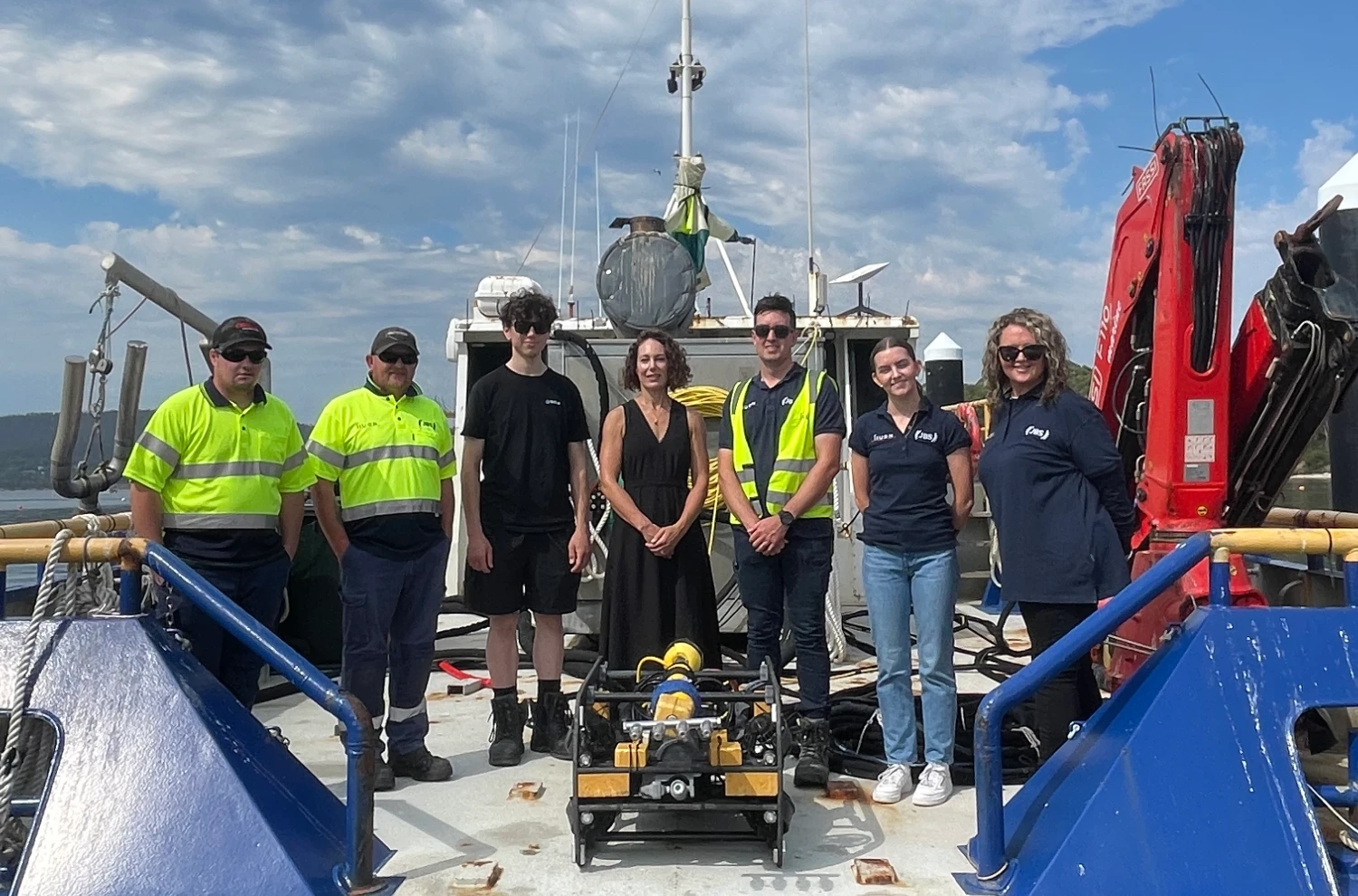
Enter APAMA ROV, developed by SoSub, a next-generation remotely operated vehicle engineered specifically for the demands of aquaculture. Its introduction has transformed Huon’s operations, delivering major cost, efficiency, and safety gains.

Technical Innovation

The APAMA ROV represents a complete rethinking of underwater robotics for aquaculture. Unlike conventional ROVs, it integrates:

  • Aquaculture-specific engineering: Purpose-built for fish-farm environments, enabling precision net inspection, repair, and cleaning.
  • Hybrid power supply: Dual power with a built-in backup generator ensures mission continuity and prevents costly retrieval operations — a first in aquaculture ROVs.
  • Superior manoeuvrability: Compact frame and advanced thruster configuration allow for agile navigation around pens and structures.
  • User-centric control system: Designed in collaboration with operators, improving handling, visibility, and task efficiency.

These design elements collectively redefine the operational resilience of ROVs in aquaculture.

Operational Impact

The adoption of APAMA ROVs has driven step-change improvements in Huon’s daily operations:

Metric Before (Traditional ROVs) After (APAMA ROV) Impact
Inspection Times ~100% baseline ↓ 40% faster Increased productivity
Maintenance Costs $250K higher ↓ 90% Major OPEX reduction
Pressure Cleaning $300K (divers) $28K (APAMA) 90%+ cost saving
Operator Morale Low High Strong user adoption

“It’s 100% better to clean with… crews absolutely love the machine.”

Continuous Improvement

A defining feature of APAMA’s deployment is its feedback-driven design cycle. Huon’s operators contribute directly to system refinements, ensuring the platform evolves with operational needs. This has cultivated a culture of innovation and ownership among ROV pilots — a rare outcome in a traditionally conservative sector.

Industry Significance

The APAMA ROV is the first underwater robot purpose-built for aquaculture, breaking away from the retrofitted oil-and-gas models that dominated the market. It positions Huon Aquaculture as a global benchmark for technology-enabled sustainability — showcasing how robotics can enhance animal welfare, safety, and environmental management.

Conclusion

The partnership between SoSub and Huon Aquaculture demonstrates the power of domainspecific innovation. The APAMA ROV has:

  • Cut maintenance costs by up to 90%.
  • Reduced inspection and cleaning times by 40%.
  • Eliminated dependence on costly dive teams.
  • Boosted operator morale and safety.

This project exemplifies applied innovation with measurable outcomes — a model for how technology can reshape an entire industry.

By choosing a system designed specifically for the demands of the aquaculture industry, Huon Aquaculture is better able to respond more to both internal and external challenges. The collaboration with SoSub has proven to be invaluable, fostering a seamless integration process that emphasises the importance of understanding the unique needs of fish farming operations.